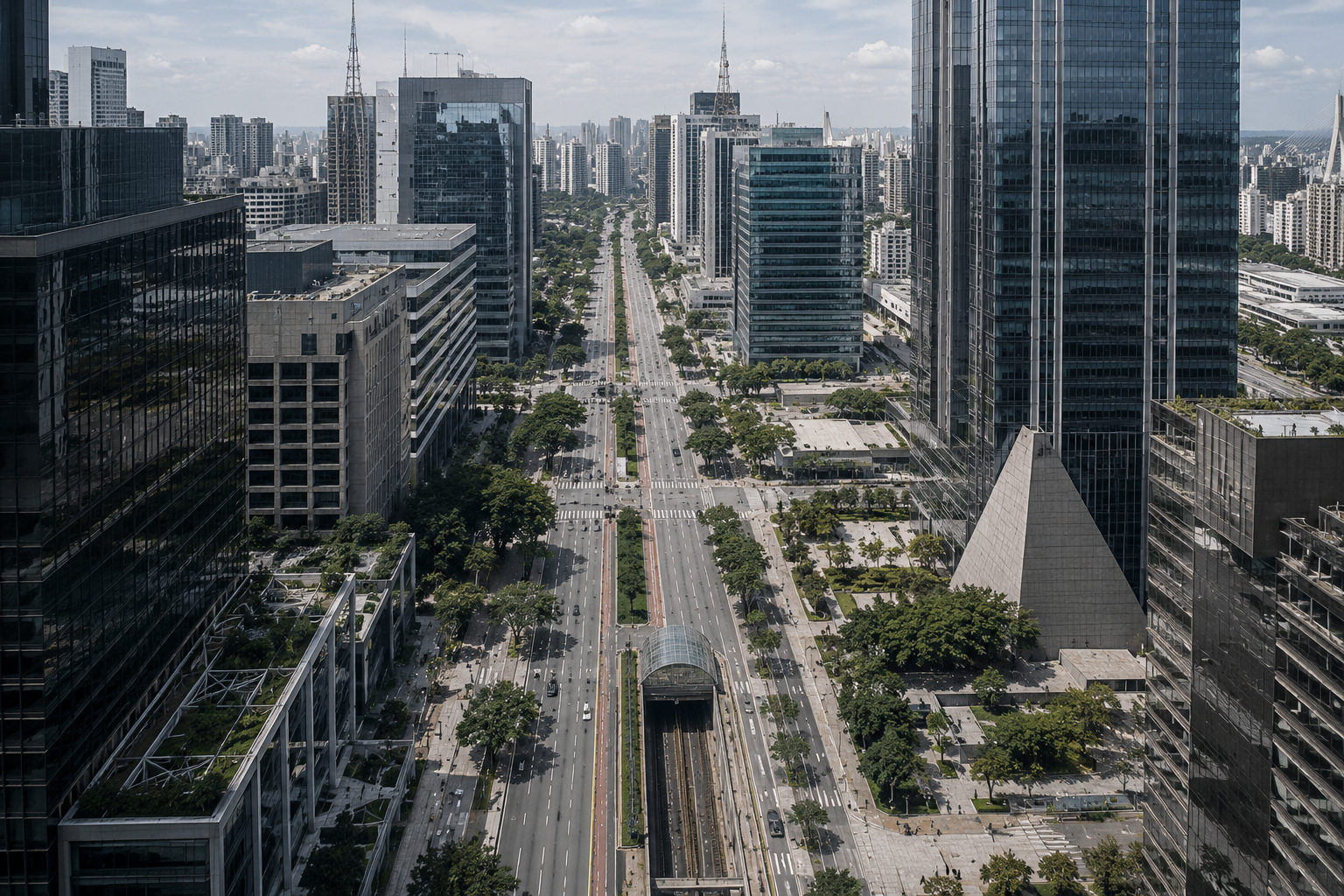
Lower urban impact
Trenchless methods significantly reduce the need for conventional excavation, helping preserve roads and pavements, minimize traffic disruption and reduce the impact of construction on people and urban activities.
Institutional
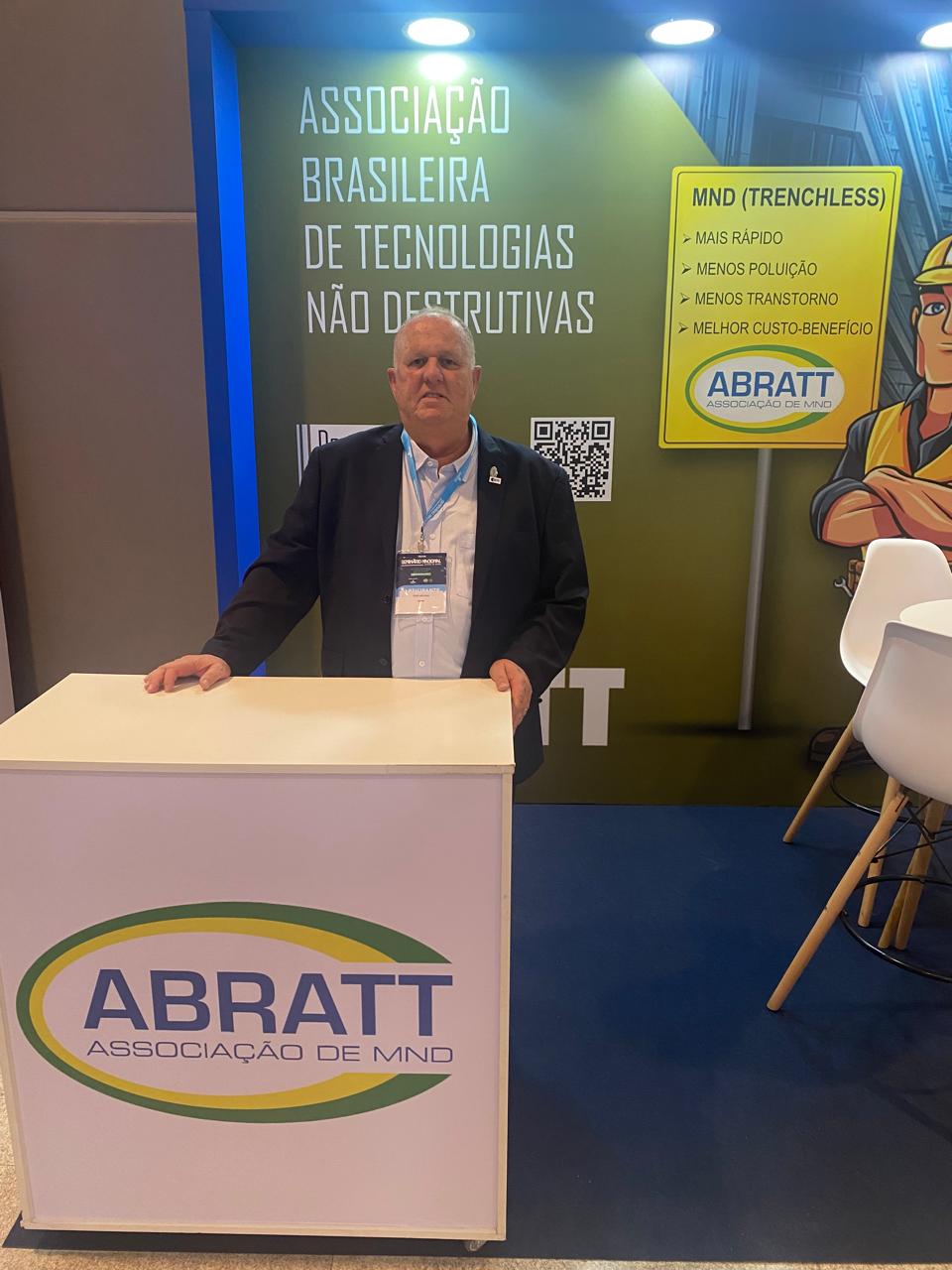
ABRATT — the Brazilian Association for Trenchless Technology — is a non-profit industry association dedicated to the development, dissemination and application of Trenchless Technologies in Brazil.
Founded in 1999 and affiliated with the ISTT — International Society for Trenchless Technology — ABRATT brings together companies, professionals, utilities, educational institutions, public agencies and specialists working in underground infrastructure development.
The Association promotes technical knowledge, professional training, events, publications, studies and institutional-relations initiatives, contributing to the advancement of techniques used to install, inspect, locate, maintain, rehabilitate and replace underground networks.
Its activities seek to expand the adoption of more efficient, safe and sustainable solutions, reducing excavation needs and the impacts of interventions on cities, the environment and the public.
Join ABRATTUnderstanding Trenchless Technologies
Trenchless Technologies comprise techniques and technologies that make it possible to install, inspect, locate, rehabilitate and replace underground networks with little or no open-cut excavation. Their use reduces surface disruption and helps minimize impacts on traffic, businesses, the environment and daily urban life, while improving the efficiency of underground infrastructure construction and maintenance.
Technical activities
Trenchless methods significantly reduce the need for conventional excavation, helping preserve roads and pavements, minimize traffic disruption and reduce the impact of construction on people and urban activities.
Trenchless Technologies are applied to water, sewer, gas, energy and telecommunications networks across different stages of the infrastructure lifecycle — from installation and location to inspection, maintenance, rehabilitation and replacement.
ABRATT promotes knowledge dissemination, professional training and technical exchange, connecting the Brazilian market with best practices and technological advances developed in Brazil and abroad.
Board
2025–2028 term
President
Vice President
Vice President
Board composition
Subcommittee / Board
ABRATT and ISTT
The ISTT — International Society for Trenchless Technology — was founded in the United Kingdom in 1986 to promote the development and application of trenchless technologies worldwide.
The organization brings together national and regional societies, companies, professionals, researchers and other stakeholders connected to underground infrastructure, encouraging international exchange of knowledge, experience and best practices.
Its activities span water, sewer, gas, energy and telecommunications networks, as well as solutions for the installation, inspection, location, maintenance, rehabilitation and replacement of underground infrastructure.
ISTT promotes education, training, research, technological development and knowledge dissemination related to Trenchless Technology, supporting techniques that reduce the social, environmental and economic impacts associated with conventional open-cut interventions.
The organization also promotes international recognition and knowledge-sharing initiatives, including the No-Dig Award, which recognizes relevant projects and advances in the sector, as well as specialized publications and technical content.
As an ISTT-affiliated society, ABRATT connects Brazil to this international community, expanding technical exchange and bringing the Brazilian market closer to experience and innovations developed around the world.
Bylaws
Read ABRATT’s Bylaws and learn about the rules that guide the organization, its structure and institutional operation.
Join ABRATT
Join a network of companies, professionals, specialists and organizations committed to advancing Trenchless Technologies and underground infrastructure in Brazil.